
The House Always Wins…and the Owners are Building Casinos in the Locker Room
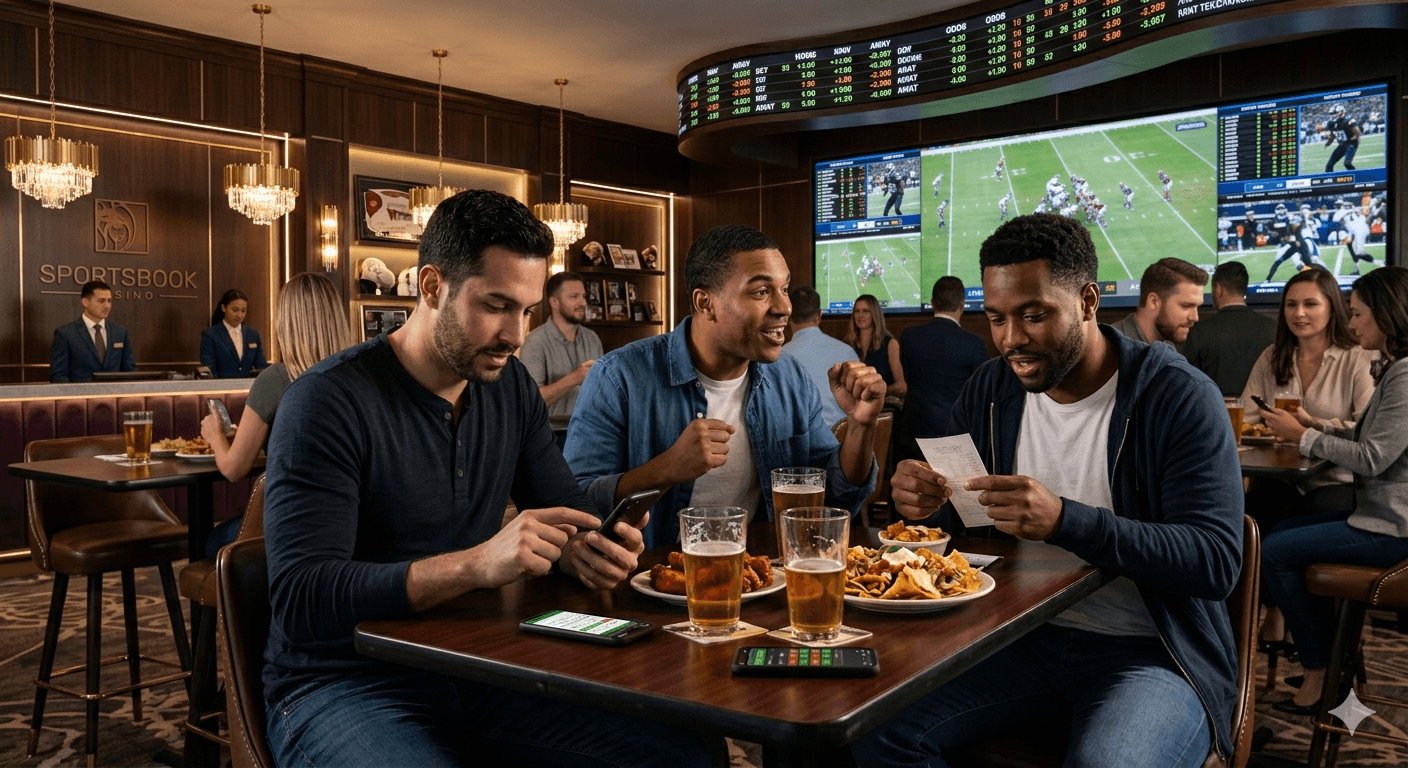 The House Always Wins, Even Now In Sports Betting!
 There was a time when sports were about heart, grit, and yelling at your TV because your coach called a timeout with one left and forgot he only had one left.
Now? It's about whether your backup tight end gets 2.5 receptions before halftime so that your rent is covered.
Welcome to the Sports Betting Era, where fans don't just watch games — they emotionally hedge them.
And guess what? The owners LOVE it. They love it so much that the scoreboard might start showing live odds in addition to scores such as, "Knicks 112 — Celtics 106 (Brunson Over 24.5)."
The Good: Sports Betting Made Every Game Matter
Before betting:
Tuesday night NHL game? Nobody cared.
3rd quarter blowout? Turn the channel.
Backup pitcher? Bathroom break.
After betting:
You're screaming during Devils vs Coyotes like it's Game 7.
You're watching free throws like they're the stock market.
You're rooting for a garbage-time touchdown like your life depends on it.
Because it does.
Suddenly:
The NHL has viewers.
The MLB has fans watching all 9 innings.
The NBA has people caring about bench rotations.
The NFL has America emotionally invested in 3rd string running backs.
Sports betting didn't just grow the game: It created "analysts."
Now, everyone is suddenly a math guy, a trends guy, a "the wind is blowing left" guy, a "refs are from Boston" conspiracy guy, and now your uncle probably has a spreadsheet and thinks he's a character in Moneyball.
The Owners are Swimming in Money
This is where it gets ridiculous.
Leagues used to say betting was dangerous. Now? They're partnering with sportsbooks like it's a group project.
So say hello to our new overlords: DraftKings and FanDuel. We now have live odds during broadcasts, betting ads everywhere, and halftime shows sponsored by them.
So if you find yourself yelling at your TV on a random Tuesday night during a random moment for a random game, just remember that this is becoming normal now — but is that a good thing?