


Mets Pick a Pitching Prospect, But Losses and Questions Back Home Remind Fans: Hope Is Not Instant
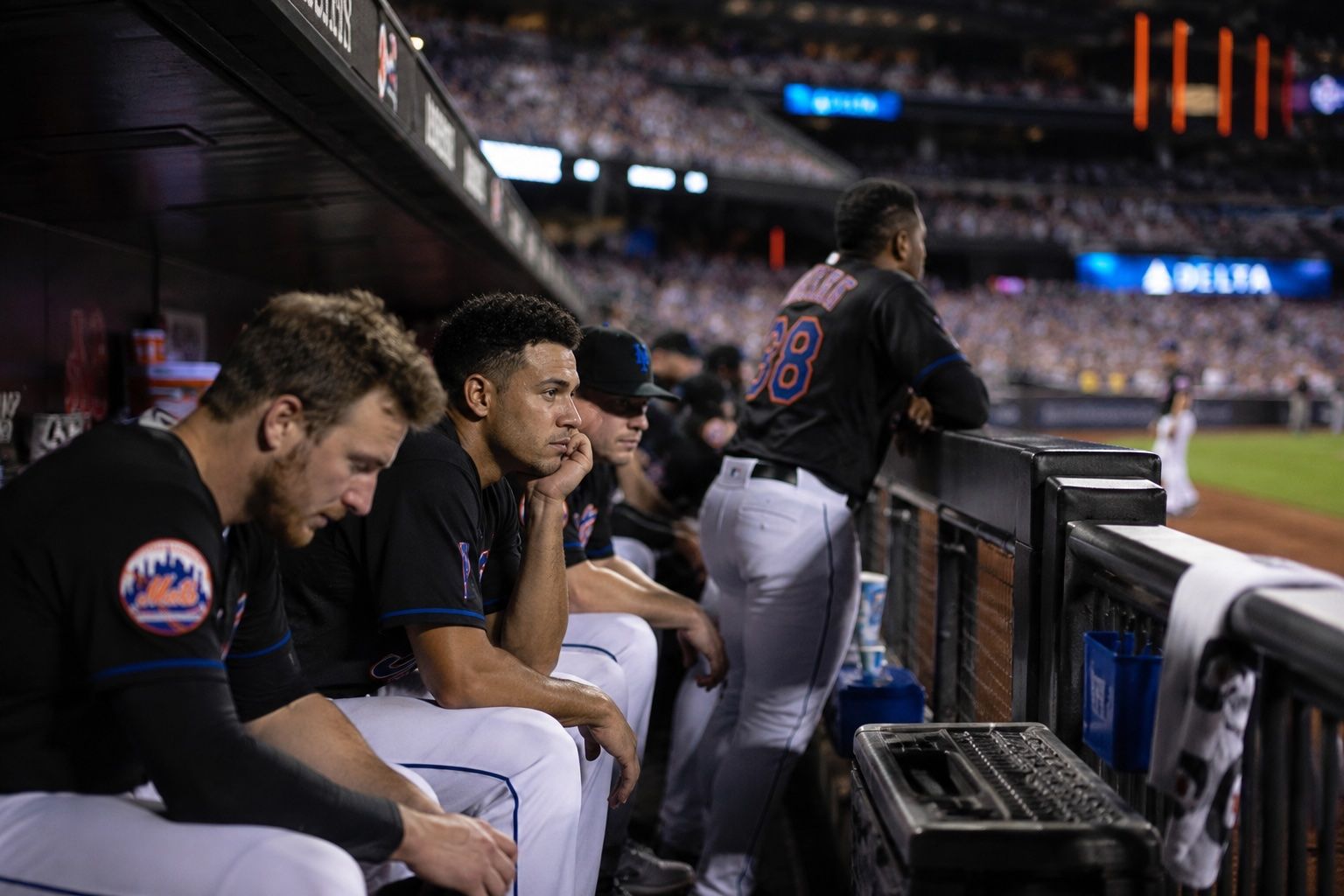 Mets Draft College Pitcher Carson Wiggins, Face Recent Slump and Bullpen Questions
 The New York Mets took a step toward the future on Day 1 of the 2026 MLB Draft, using their first selection on a college pitcher that national outlets called "intriguing." Multiple reports tied the pick to Carson Wiggins, and MLB.com described the club’s top choice as a college arm "they can dream on." For a franchise still searching for consistent pitching depth, that kind of language is the sort of balm a beleaguered fanbase will cling to.
At the same time, the present kept barging in. The Mets fell 4-0 to the Boston Red Sox on July 11, a loss that came as the Red Sox extended their win streak to eight games. Boston’s offense, according to local coverage, was powered in that contest by two-run homers from Andrew Monasterio and Masataka Yoshida. The defeat was one of several reminders that the Mets are still trying to turn the season around; recent coverage pointed out the club sits at the bottom of the National League East, with results that have been uneven at best.
That gap between long-term draft planning and immediate roster realities is what makes this stretch feel noisy. Drafting a college pitcher — especially one with buzz like Wiggins — gives the front office a project that could add controllable innings down the road. But the Mets are also coping with criticism of their current pitching corps and questions about whether certain relievers are tradeable assets or must-be-saved-for-a-run pieces. A New York Post column suggested the organization should consider moving prized but volatile bullpen arms, a conversation that surfaces whenever the race requires a reset or the market offers a tempting return.

Pitching was the theme of the week in more ways than one. A headline elsewhere zeroed in on Freddy Peralta after the Red Sox loss, describing his outing as disappointing. That scrutiny underscores how thin the margin for error is for starters and relievers alike in New York. When a club is drafting for the future, fans want to know the present can still be competently handled.
So what does this all mean? For now, the draft pick is incremental good news. College arms typically come with shorter development timelines than high schoolers and could, if everything breaks right, help replenish a rotation or provide trade capital in seasons to come. But drafting a promising pitcher does not instantly erase the sting of a shutout loss or an eight-game skid by an opponent. It also does not resolve the thorny question front offices face at midseason: Hold onto valuable relievers to try to fix this year or sell pieces and double-down on a longer rebuild?
Mets fans will take the Wiggins buzz and the official Day 1 headlines as reasons to feel cautiously optimistic. Expect lively debate in the stands, online, and on the 7 train about whether the pick signals a patient rebuild or a targeted attempt to restock a roster that still wants to compete. In short, the draft gives hope. The recent losses and roster chatter demand answers. How the front office balances those two realities will determine whether this draft day excitement becomes a turning point or a footnote in a 2026 season that needs more immediate fixes.