


Inside Cooperstown's Vault: 'Echoes from the Bleachers' Finds the Stories Behind Baseball's Legends
 New York Sportscene spoke with filmmakers Dave LaMattina and Chad Walker about their new PBS documentary, the discoveries inside Cooperstown's archives, and the remarkable stories behind baseball's legends. Courtesy of Copper Pot Pictures
There's not much you can tell a longtime Yankees fan about Lou Gehrig that they haven't heard already. At least, that's the assumption. The consecutive-games streak, the Iron Horse, the famous farewell speech. Gehrig's place in baseball history has been secure for generations.
Filmmaker Dave LaMattina thought he knew the story pretty well himself. Growing up within range of New York sports radio, he'd heard Gehrig's farewell speech countless times. But during production of the new PBS documentary Baseball: Echoes from the Bleachers, he encountered something that changed his perspective.
Tucked away in the National Baseball Hall of Fame's archives were personal letters Gehrig had written to his wife from the Mayo Clinic, where he was confronting the diagnosis that would ultimately end his life. In those letters, LaMattina discovered a side of the Yankees legend that rarely makes it into the highlight reels.

"There's like a resilience there, but there's also a tenderness and a compassion in his writing that you wouldn't expect from the Iron Horse," LaMattina told New York Sportscene.
For someone who had grown up knowing Gehrig through his accomplishments and that unforgettable speech, the letters provided a reminder that behind one of baseball's greatest legends was a husband trying to reassure his wife while facing an uncertain future.
It was exactly the kind of discovery LaMattina and fellow filmmaker Chad Walker hoped to share with audiences. And as they quickly learned, Cooperstown had no shortage of them.
The two filmmakers, who founded Copper Pot Pictures in 2007, were approached by their partners at Round the Horn, executive producers Griffin Gmelich and Dan McNamee. The pair already had a relationship with the National Baseball Hall of Fame and Museum. After experiencing a behind-the-scenes tour of the collection, they believed there was a story worth telling, but weren't quite sure how to bring that experience to a larger audience. LaMattina and Walker had an idea: let the artifacts tell the stories, with the Hall's curators helping bring them to life.
What followed was an opportunity to explore a collection that even lifelong baseball fans would have trouble wrapping their heads around.
What the Vault Held
For Walker, who grew up playing baseball in Vermont and visited Cooperstown only once as a kid, returning to the Hall of Fame was special enough. Getting into the vault was another experience entirely.
"I couldn't stop smiling," Walker recalled during our interview.
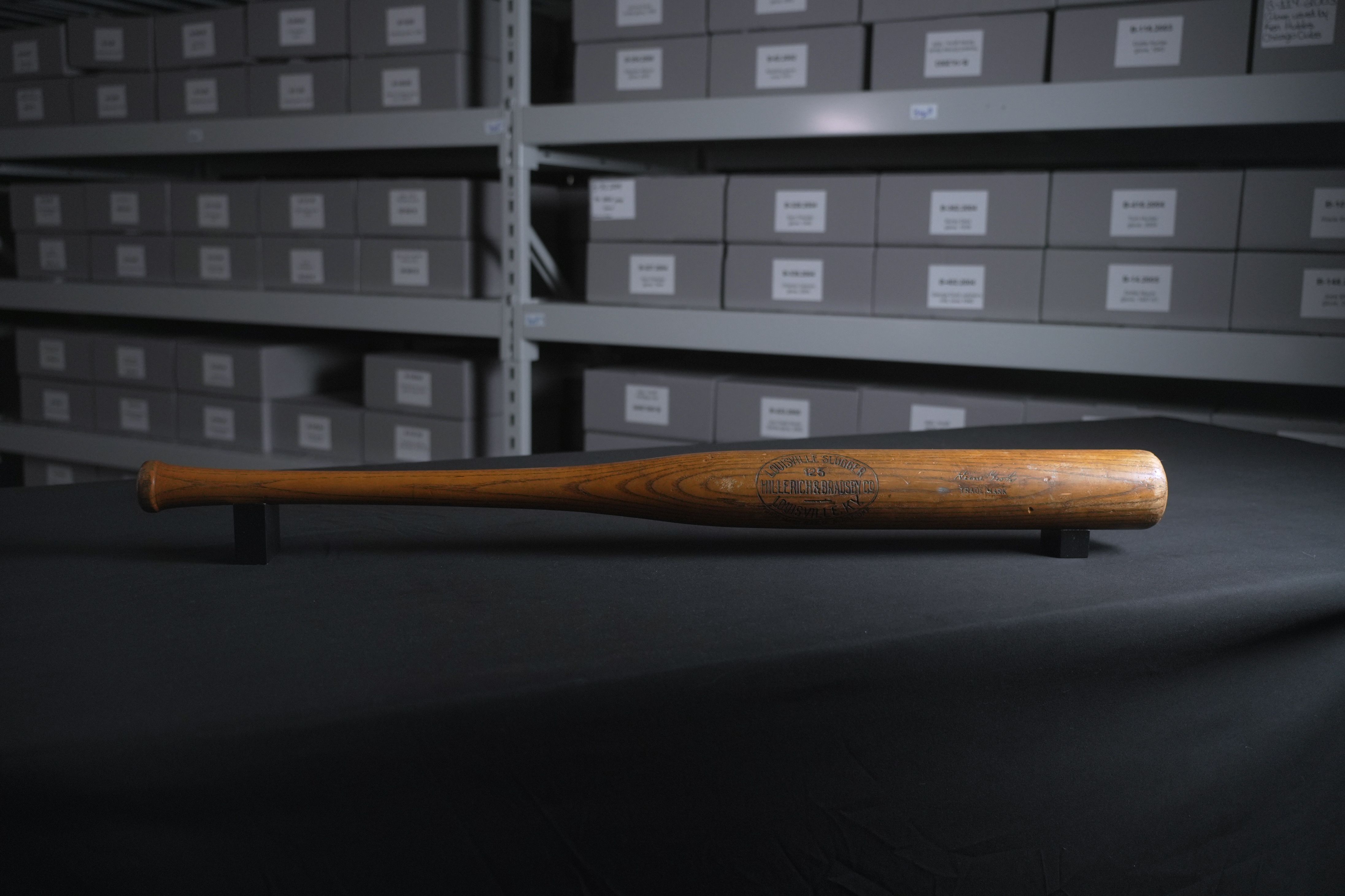
A Ty Cobb jersey, old bottle-shaped bats, boxes filled with hats and equipment spanning generations of baseball. Everywhere the filmmakers looked, there was something else worth investigating. Walker, who had spent much of his life around the game, found himself discovering stories he had never heard before.
And what visitors see on the museum floor is only a fraction of what Cooperstown holds. According to the Hall of Fame, roughly 10 percent of its collection of 40,000 three-dimensional artifacts is on exhibit. The rest leaves plenty of room for stories most fans have never encountered.
LaMattina recalled coming across a glove belonging to Pete Frates, whose battle with ALS helped inspire the Ice Bucket Challenge. It wasn't a story that ultimately made the documentary, but it illustrated the possibilities. One seemingly ordinary piece of equipment could open the door to an entirely different chapter of American life.
Of course, getting access to the collection was one thing. Convincing the Hall of Fame to let a film crew shoot inside the vault was another.
When Walker suggested bringing cameras and lights into the storage areas, LaMattina wasn't particularly optimistic.
"Dude, they're never gonna say yes to that," he remembered thinking.
He asked anyway.
To his surprise, the Hall of Fame was enthusiastic. Its curators and staff weren't simply willing to cooperate; they were excited about the opportunity to share stories that rarely receive the attention they deserve.
When Baseball Meets American History
For New Yorkers, one of the documentary's most recognizable moments comes through Mike Piazza's unforgettable home run following the September 11 attacks.
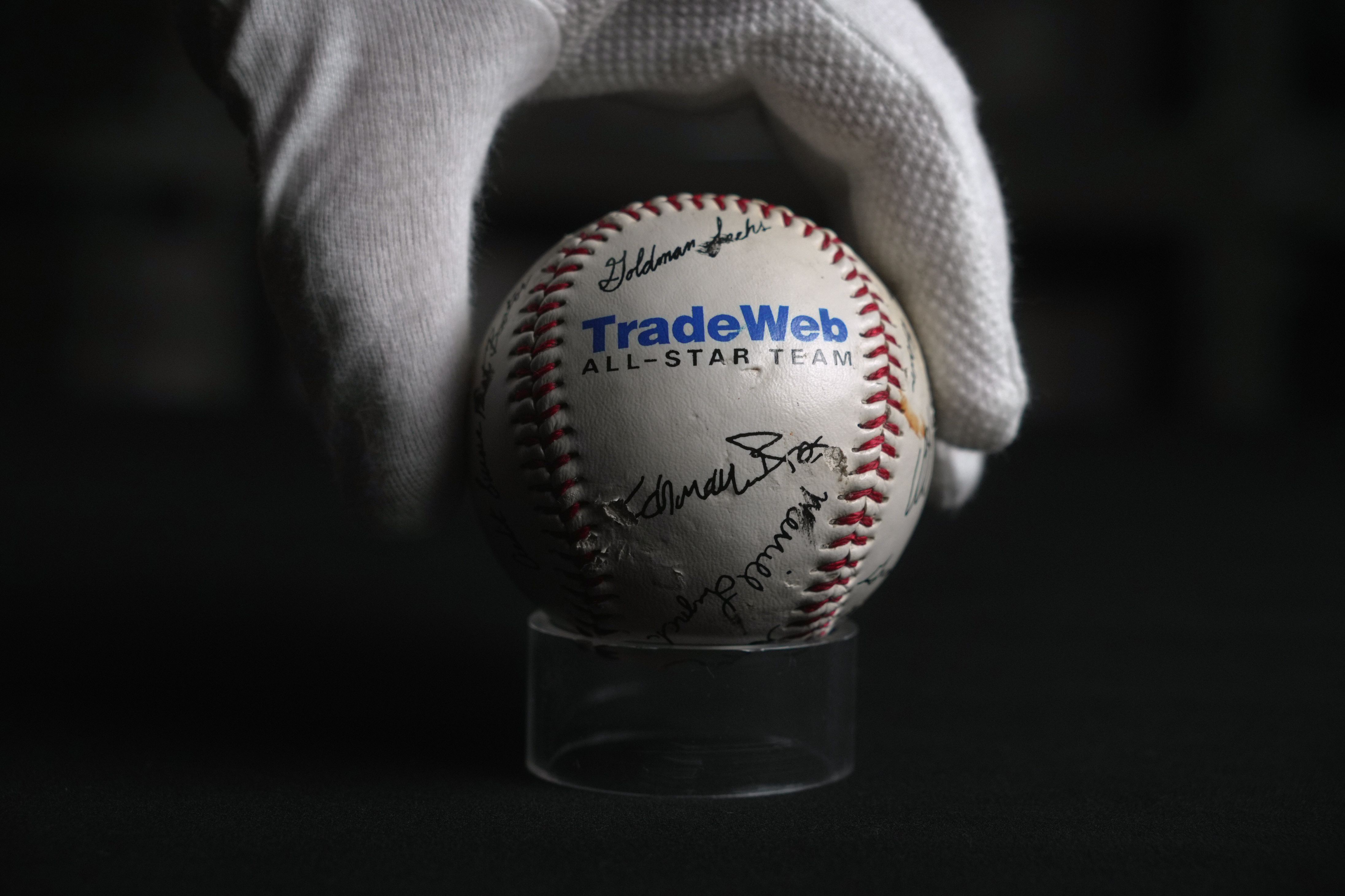
The Mets catcher's go-ahead home run in the first game back in New York remains one of the most emotional moments in franchise history. But rather than simply replaying the familiar footage, Echoes from the Bleachers approaches that period through a baseball recovered from Ground Zero, connecting the artifact to the larger story of a city trying to recover.
It's an approach that runs throughout the documentary. Baseball becomes a way to examine moments in American history, whether through the challenges of integration, the country's experiences during wartime, or the personal resilience of players such as Gehrig and Cal Ripken Jr.
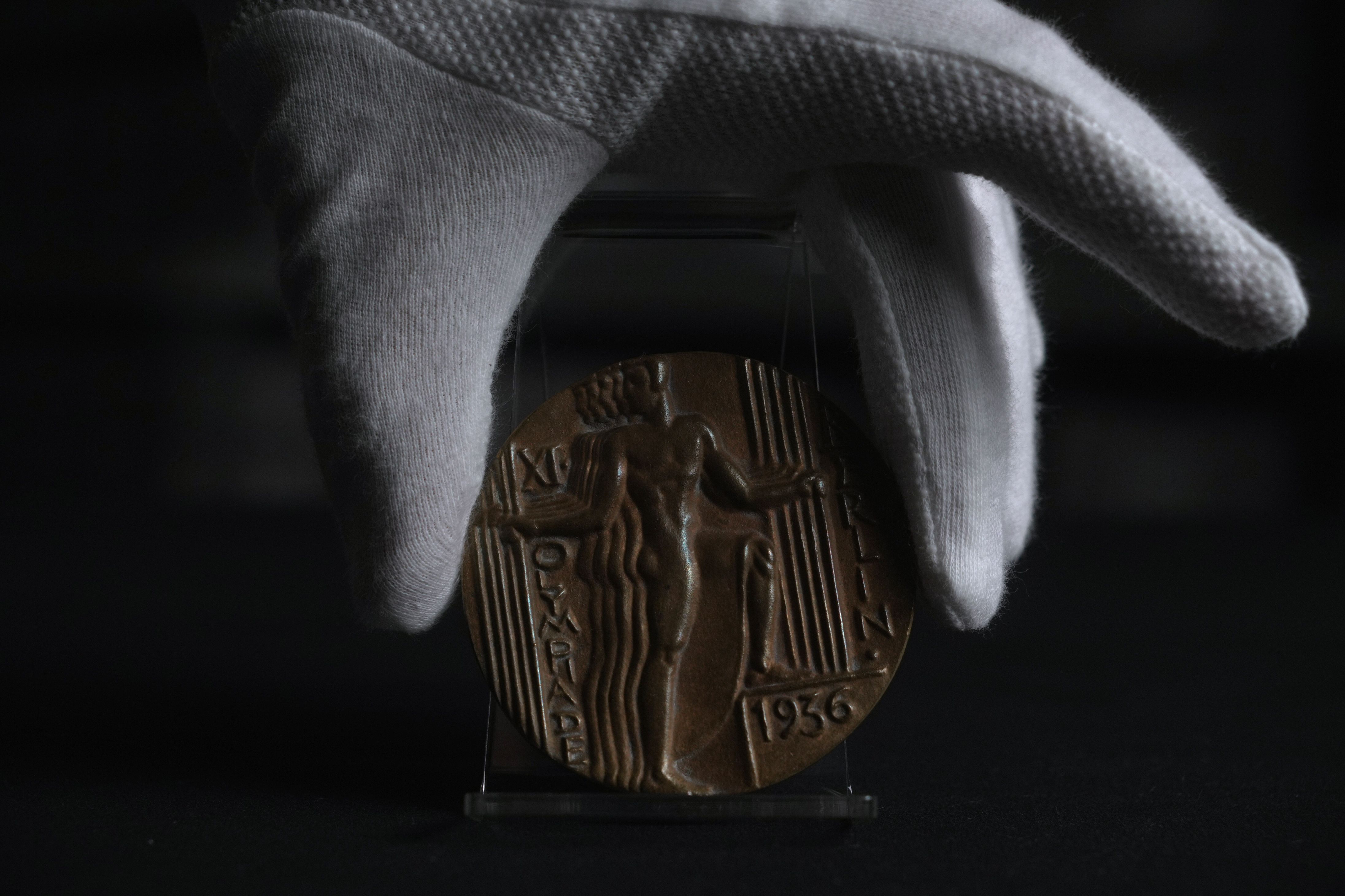
The filmmakers also encountered an Olympic medal connected to a baseball exhibition at the 1936 Berlin Olympics, another reminder that the game's history extends well beyond the major leagues.
For LaMattina, that relationship between baseball and the country became central to the film.
"You look at all these moments in American history, and baseball is there," he explained.
And while the documentary draws on an extraordinary collection of archival material, including resources from Major League Baseball, it never needs to rely solely on famous highlights to hold the audience's attention. Some of its most interesting moments come from learning why an object was preserved and hearing the people responsible for preserving it explain its significance.
A Few Happy Accidents Along the Way
Getting the stories was only half the challenge. Turning a museum collection into an engaging documentary required some creativity, and the filmmakers encountered a few memorable surprises along the way.
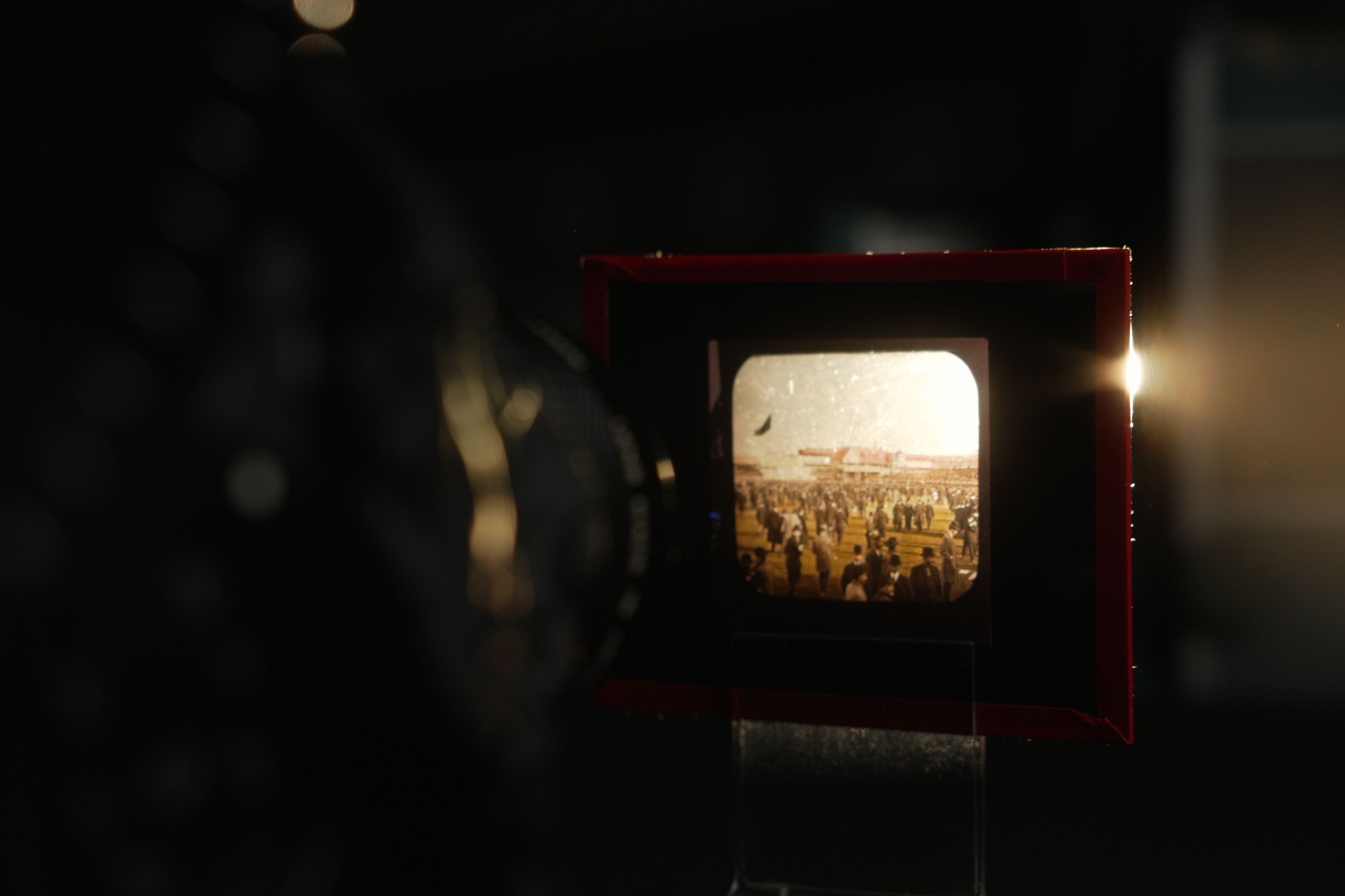
One involved a collection of historical lantern slides, once projected in movie theaters during reel changes. Walker and the crew were trying to determine how best to photograph them inside the dark vault when light unexpectedly passed through one of the slides.
The resulting image was nothing like what they had planned.
Director of photography Dan Kerrigan immediately recognized what they had stumbled upon. As Walker recalled, Kerrigan's reaction was essentially, "That's it. Stop."
Sometimes the shot you didn't plan turns out to be the one worth keeping.
Other challenges were considerably less cinematic.
Because interviews were filmed while the Hall of Fame remained open to visitors, the crew occasionally found itself competing with the sounds of the museum. A bicycle exhibit, complete with a baseball card rattling through its spokes, became a recurring headache for the sound department. So did a Harry Caray exhibit playing "Take Me Out to the Ball Game" as visitors sang along.
Walker loved the energy. The sound crew, understandably, had a different perspective.
The filmmakers also spent time shooting inside the museum after hours, capturing tracking shots through empty galleries. When overhead lights couldn't be turned off, crew members used dark foil to block them, sometimes with Hall employees helping out.
The willingness of the museum staff left an impression on both filmmakers. The people who worked with these artifacts every day were just as invested in seeing their stories told properly.
And that enthusiasm comes through in the finished product.
A Game That's Still Got Something to Say
During our conversation, we asked LaMattina and Walker whether baseball still holds the same place in American culture that it once did.
It's a fair question. The way people watch sports has changed dramatically, and baseball has spent years trying to find the right balance between its traditions and attracting younger audiences.
Neither filmmaker seemed particularly worried about the game's future.
LaMattina pointed to his young nieces becoming unexpectedly invested in a Milwaukee Brewers playoff run, while Walker discussed the game's recent changes and the excitement surrounding events such as the World Baseball Classic. Both also remembered seeing youth baseball teams throughout Cooperstown during production.
For a sport that supposedly struggles to connect with younger generations, there were certainly plenty of kids running around baseball's hometown.
The filmmakers recognize that the game is evolving. But the connection people have with it, whether through family, community, or the excitement of a postseason run, hasn't disappeared.
And perhaps that explains why a documentary built around decades-old artifacts can still feel relevant today.
New York Sportscene had the opportunity to screen Echoes from the Bleachers ahead of its PBS premiere, and we came away genuinely impressed with what LaMattina and Walker have put together. It's an easy recommendation for baseball fans, but you don't need to know the finer points of the game to enjoy it. Anyone with an interest in American history will find plenty worth watching.
What also stands out is how much the filmmakers appreciate the people who helped them make it. Throughout our interview, LaMattina and Walker repeatedly returned to the Hall of Fame's curators, whose knowledge and enthusiasm became such an important part of the production.
For LaMattina, having the opportunity to bring their work to a wider audience meant something beyond simply finishing another documentary.
"It was like an honor to be able to be the vessel to tell those stories," he said.
Baseball: Echoes from the Bleachers premieres Thursday, October 22, 2026, at 8 p.m. ET on WNET in New York. An additional Long Island-area broadcast is scheduled for Thursday, October 29, at 8 p.m. on WLIW. The documentary will also be available through PBS.org and the PBS app. Check local listings for additional broadcasts.